Hey there, it’s me Jerry Garrett, and today I’m gonna talk about my recent experience, which was an industry visit to a factory! We went to a water heater factory which was owned by Venus water heaters. Venus water heaters is the largest exporter of water heaters in India. Meaning this is not a small company. This is a huge company. Almost everybody in South India will have a Venus water heater. As a matter of fact, the hotel that we stayed in at the time also had a Venus water heater. So now, you can understand how big of a company this was.
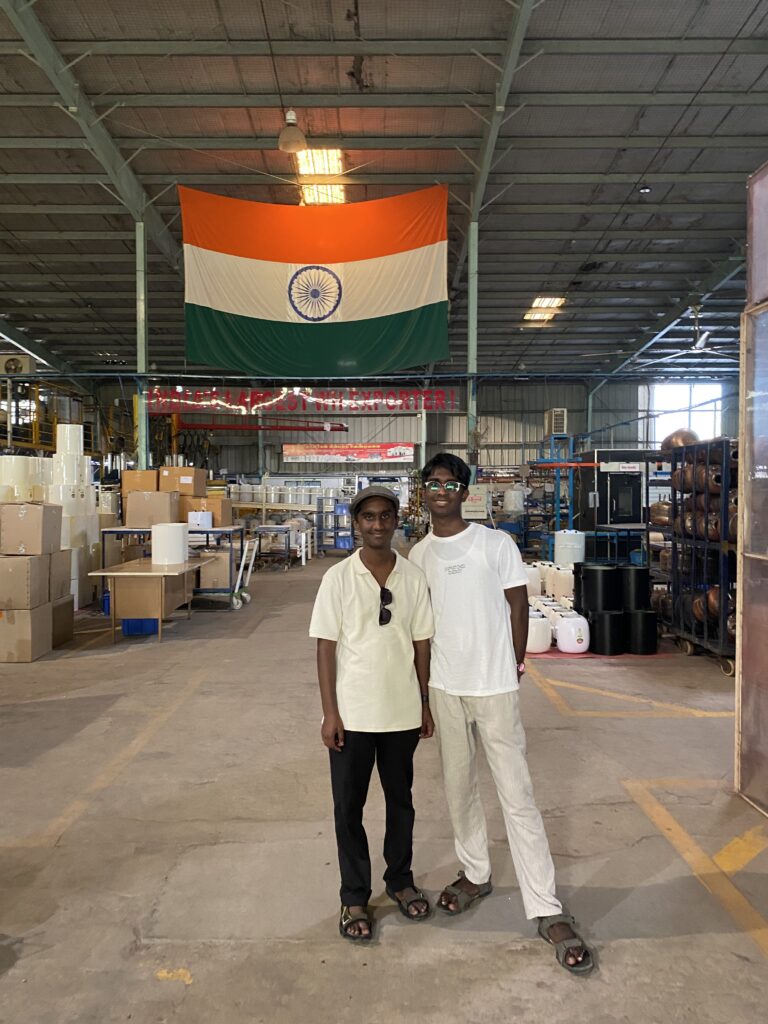
My dad’s classmate from tenth grade was the founder of Venus, so he decided to ask him for an industry visit. And guess what? He said okay, let’s do it. The unfortunate thing was that he himself would not be able to join us as he was busy, so he would get some people who work at the factory to explain everything to us.
I was super excited after I got to know that we were going to an industry visit to one of the most prominent companies for some of the most important home appliances. So a few days before, I started researching about water heaters and what I should know. I didn’t learn too much, but I was able to learn the basics of the manufacturing of a water heater, at least the main parts of it.
Then the time came, and we finally went to the factory. It was about 10 minutes from the resort we were staying at. We went there, and Shilpa mam was really nice to take us around, show us, and explain everything to us.
The first part that we went to see was the outerbody, not the main heater itself, but the outerbody which is what most people see as a geyser. They have a few materials and sheets, they put them inside machines, and it becomes a cylinder. They manufacture based on the size that the customer needs, anywhere between 3L geysers to 300L, which is quite big. The bottom lid and the top lids are made, and they are welded together using a machine.
After the outerbody, we learnt about the inner shell. Even after the outerbody, there is still another shell inside of it. That inner shell is what contains the main part of the heater, the part that heats everything, and the part that has a tank.
Most of the process was actually fully automated with machines. They put the outerbody in water to check if there are any leaks, and if there is no issue, they continue. They coat it with enamel so that it doesn’t rust, which they put into a furnace.
Inside that, the heating element is added, which is what heats the water. They also add a thermostat and many safety features like the thermostat cut off and other elements in case one item doesn’t work.
Then comes the insulation, which they inject through a small hole. It keeps the water hot for longer using a specific type of foam. Generally, this is where the outer body and inner shell are assembled together. After this, the quality testing is done.
One thing that I observed the entire time there was that there were a lot of safety precautions and features to make sure nothing goes wrong when the customer buys the geyser. For example, just to make sure the heater doesn’t overheat, they have 3 elements, one that controls the temperature which is a normal thermostat, another that cuts the thermal heating temporarily, and the last one that cuts the thermal fuse itself, so then it won’t work.
The entire experience there was great. Shilpa mam explained everything really nicely and patiently, and I was able to understand everything.
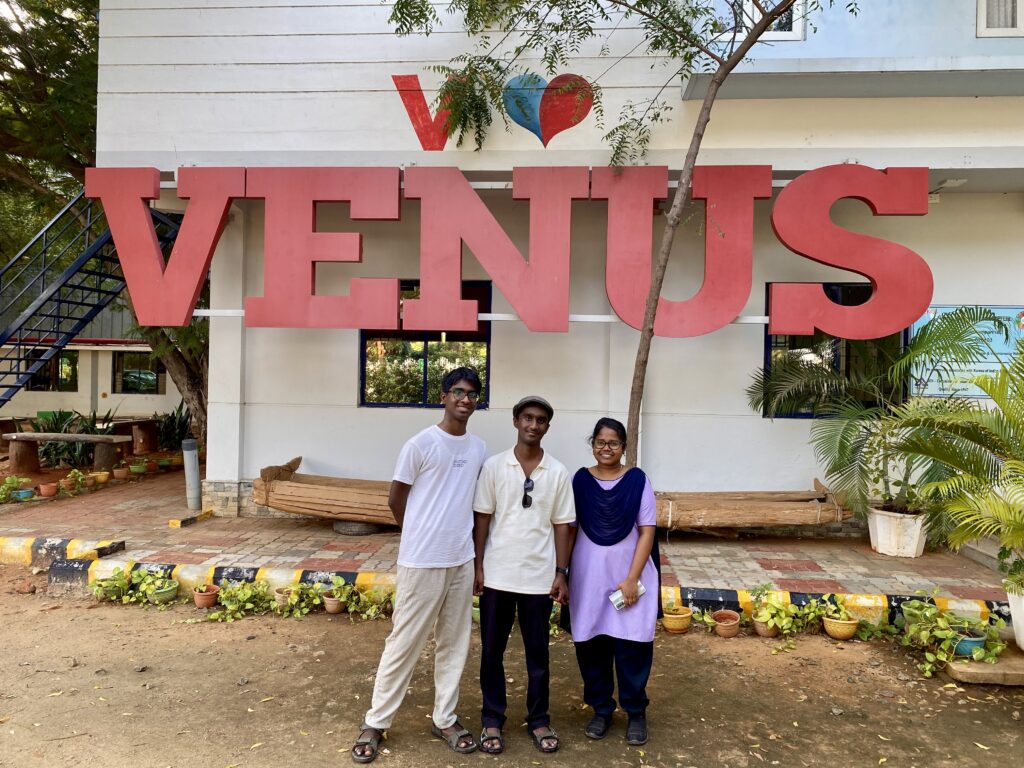
After that, we also went to my dad’s friend’s school. He invited us to come there right after the factory, so we went there.
The school was a family business and part of a trust. He showed us around the school, and it was actually great, because this school is not there to make money, but rather for the experience of the families and the kids who attend the school.
If you are good at arts, they help you get better at that and go to competitions. If you are good at sports, they help you go to competitions in that. Just helping you achieve something in what you are really good at and interested in.
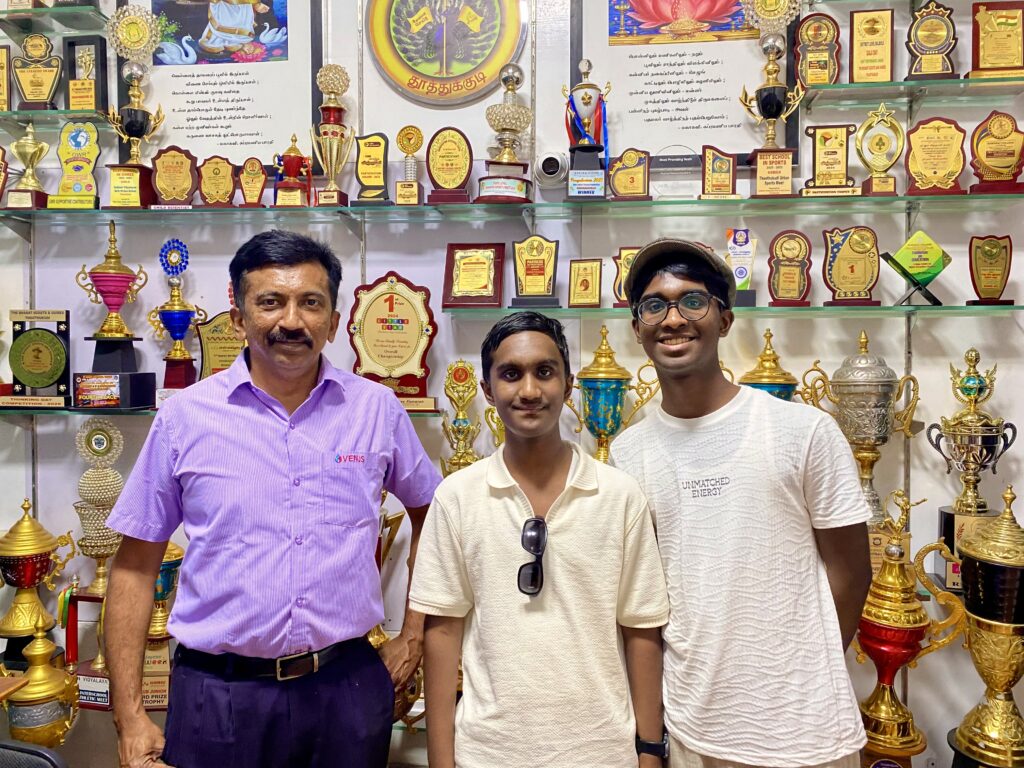
We took a walk around the entire school, which was big and very clean. After that, we went to Murali Uncle’s office, we had some tea, we talked for a bit, and then we went back to our resort.
That’s pretty much it! See you all next week!
